

Sewer backups can turn an ordinary day into a messy disaster fast. When raw sewage shows up in a basement drain or toilet, it brings health risks, damages your stuff, and causes a lot of stress. Acting fast, knowing exactly what steps to take, and keeping smart habits can save a ton of money and hassle. People who live in older homes or areas with heavy rain should pay close attention because they face this problem more often. Imagine catching the problem early and stopping it from turning your house into a swamp—sounds good, right? Learning how to handle this mess now means fewer nightmares later, and that’s why reading on is worth every second.
This article explains common causes, warning signs, immediate actions, preventive care, and when to call a pro. You will find practical tips you can apply right away and examples of fixes that have worked for other homeowners. Read on to get straightforward guidance for managing home sewer backups and staying ahead of future trouble.
Why sewer backups happen in homes
Sewer backups occur when wastewater has no clear path to the public sewer or septic system. Causes range from blockages inside home pipes to problems in the municipal main. Examples include roots invading clay or older pipes, heavy rains that overwhelm storm or sanitary lines, collapsed pipe segments, and foreign objects flushed down toilets or poured down sinks.
Older homes with aging clay or cast iron lines face higher risk because those materials break down and settle over time. Tree roots are attracted to the moisture near cracked pipes and can infiltrate joints. In newer neighborhoods, construction runoff and ground shifting after drought can also change how water flows around sewer lines.
Signs of a developing sewer backup you should not ignore
Early detection saves money and prevents health hazards. Look for these warning signs:
- Slow draining sinks, tubs, or toilets in multiple locations at once
- Gurgling sounds from drains when another fixture is used
- Foul sewage smell in basements, crawl spaces, or near floor drains
- Water backing up into lowest drains after heavy rain
- Soggy patches in the yard near the sewer line or sinkholes
If you notice more than one of these signs over a short period, treat the situation as urgent instead of waiting for a full backup. Acting while symptoms are mild often keeps repairs smaller and less costly.
Immediate steps to take when a sewer backs up
When raw sewage appears, safety and containment are top priorities. Follow these practical steps to reduce exposure and limit property loss.
Safety first
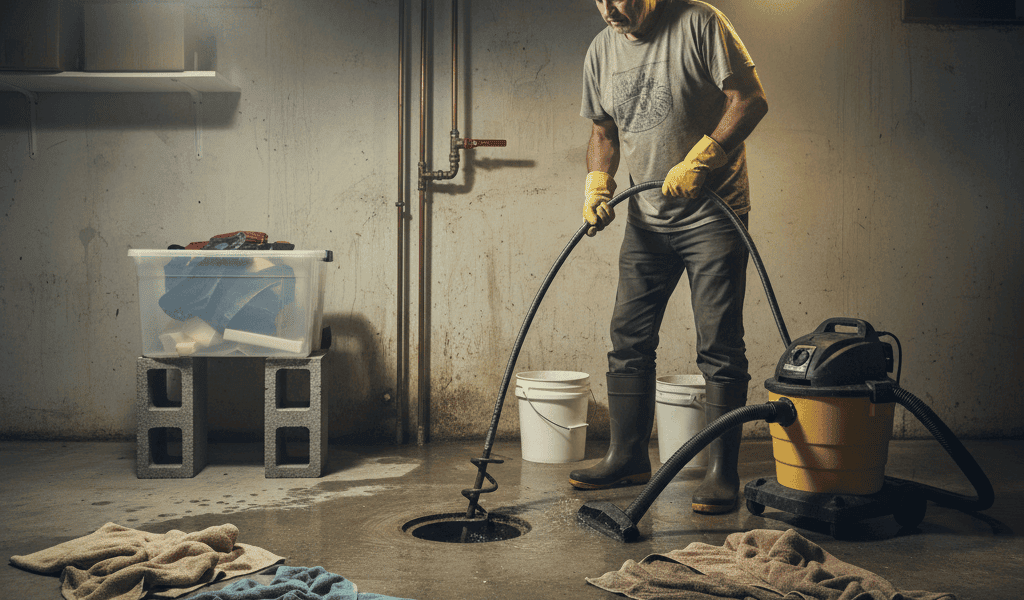
Wear protective gear like rubber boots and gloves before handling contaminated items. Keep children and pets away from affected areas. Avoid direct contact with standing sewage and ventilate the space by opening windows if possible. If the smell is strong and you feel dizzy or sick, leave the house and get medical advice.
Contain and document the damage
Turn off nonessential water sources to reduce further flow. Remove clean items from the area and move salvageable belongings to a dry location. Photograph or video the scene for insurance claims. Keep a record of who you called and what actions were taken so you can explain the timeline to a claims adjuster or service technician.
Practical clean up tips and what to avoid
Cleaning up after a backup requires care. Raw sewage contains bacteria and viruses that pose health risks. If contamination is limited and you have the right supplies, you can handle some cleanup tasks yourself. For larger floods or if contaminated water has soaked drywall or insulation, call a professional remediation firm.
- Use disinfectants approved for sewage cleanup and follow label directions.
- Dispose of porous materials that cannot be fully sanitized such as carpet padding, mattresses, and upholstered furniture.
- Do not run the HVAC system if ducts may be contaminated because the unit can spread pathogens.
- Avoid mixing household cleaners that can create toxic fumes. Use single product lines as directed.
When in doubt, bring in a specialist who can measure contamination levels, dry and treat building materials, and verify that the area is safe to reoccupy.
Preventive maintenance that reduces backup risk
Regular maintenance is the most cost effective way to manage sewer backup risk. Small investments in inspection and upkeep can spare a homeowner from a large repair or property loss later.
Regular inspections
Schedule a camera inspection of the sewer line every few years or after tree planting and landscaping changes. Video inspection reveals cracks, root intrusion, buildup, and illegal connections in a single visit. Technicians can spot slow-developing problems before they become full blockages.
What homeowners can do
Simple habits reduce strain on the system. Avoid flushing items like wet wipes, paper towels, dental floss, and feminine products. Use drain screens to capture hair and food scraps. Keep a grease collection container and never pour cooking oil down the sink. Trim trees planted too close to the sewer line and choose shallow rooted species for yard projects.
When to call a plumbing professional
Not every drain problem requires a service call, but certain conditions are immediate reasons to contact a licensed plumber. Call a pro if you find sewage in living spaces, recurring backups after cleaning, multiple fixtures backing up at once, visible breaks in a sewer cleanout, or if a camera inspection shows structural damage. For most homeowners, a professional will have tools like motorized drain snakes, high pressure water jetting, and camera systems that make diagnosis and repair faster and more reliable.
If you live in a region that experiences heavy seasonal rain or outdated municipal lines, having a trusted professional on speed dial reduces response time when an emergency occurs. For help with inspections and repairs connect with reputable residential drain and sewer services to evaluate your pipes and recommend durable fixes.
Long term fixes and replacements
When recurring backups or major damage are present, short term measures are not enough. Long term fixes range from spot repairs to full line replacement. Trenchless pipe lining involves inserting a resin sleeve that hardens inside the existing line. This method restores flow without a full excavation and is a strong option when the pipe is intact but leaking or slightly collapsed.
Full replacement may be necessary when pipes are crushed, severely separated, or clogged with roots that cannot be removed. Although replacement has a higher upfront cost, it eliminates chronic failures and can increase the resale value of the home. Assess options with a licensed plumber who can compare repair life spans and long term cost estimates.
Cost factors and how to budget for repairs
Costs depend on cause, access, length of pipe involved, and method chosen. For a localized clog cleared with a motorized snake the bill might be modest. High pressure jetting and camera inspection add to cost but lower the chance of missed issues. Trenchless lining sits in the middle cost wise. Full excavation and replacement are usually the most expensive route because of labor and restoration of landscaping or hardscape.
Ask for written estimates and a clear scope of work before authorizing repairs. Seek references and warranties on both parts and workmanship. Some home insurance policies offer partial coverage for sewer backups if specific riders are in force. Check your policy and consider setting up an emergency fund that can cover sudden repair bills.
Practical planning and yearly checklist
Create a simple yearly plan to reduce risk and avoid surprises. Items to include are scheduling a camera inspection every two to three years, pruning trees within a certain radius of the sewer line, testing the sewer cleanout cap, and reviewing homeowner insurance for backup coverage. Keep contact information for a trusted plumber and remediation service handy so you can act fast when needed.
Managing home sewer backups comes down to awareness, timely action, and smarter maintenance choices. Watch for early warning signs, take safe steps when a backup occurs, and call professionals for inspections and repairs that are beyond a DIY scope. With regular attention, many of the most common causes can be detected and handled before they cause major damage.
If you face a suspected line problem or want a professional inspection, reach out to a local service that specializes in sewer and water line care. Quick assessment often reduces long term cost and helps protect health and home value. Contact a qualified provider to get an evaluation and a plan that fits your situation.